
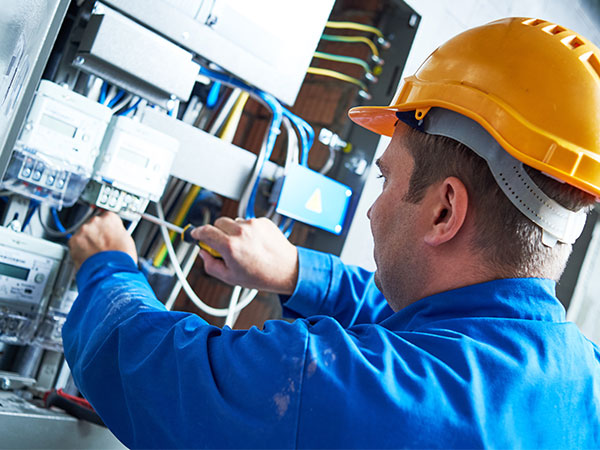
Do you think you could be entitled to a electrician tax rebate every year?
Consider just how many of these factors apply to you…it really adds up doesn’t it?! These are just the most common allowances applicable to electricians. And this could very well lead to you receiving your electrician tax rebate.
If you have never made a claim before, a claim can be made for the last 4 years resulting in a nice lump sum of hundreds, sometimes thousands, of pounds.
Electricians tax rebate process
The Tax Office do have a system in place which recognises that you have essential work expenses and entitles you to tax relief on many of them.
Electricians tax rebate explained
If you are a self employed Electrician you will need to complete a tax return so that you can declare your earnings to HMRC and pay any appropriate tax. You should keep records of all your earnings. There are a number of people that end up paying more tax than necessary, either because they haven’t recorded evidence of their costs or they don’t realise what expenses and allowances they can claim. All self employed people are allowed to claim tax allowable expenses so it is important you get into a routine of recording your income and expenses on a regular basis if possible. We have listed below the most common expenses which can save you tax.
Basically any expenses that you have incurred which are wholly and exclusively for your work are tax deductible.
CIS Tax Repayments
If you are a Sub-Contractor in the CIS you may be having 20% tax deducted by the Contractor from your gross payment. (30% if you don’t have a UTR) Don’t worry, after you Tax Return is completed and any tax due is calculated, the tax deductions will be credited and in most cases this will result in a refund of tax for you.
Expenses You Can Claim
Materials used for your work, Consumable tools, Repairs and maintenance of equipment, Insurance, Protective clothing such as overalls and work boots, Laundry and cleaning, Telephone Landline – Business use, Mobile Phone – Business Use, Internet, Advertising, Postage and stationery, Use of Home as Office, Computer consumables, Trade magazines, Bank charges on business account, Accountancy fees, Wages, Fares and travelling expenses, Subsistence (if working away from home), Other sundry items, Vehicle running costs (read notes below), Fuel, Repairs and maintenance, Road tax, insurance and MOT, Cleaning, Parking and Tolls
Please note: If you use your vehicle for your own personal use then you need to factor this in when any expenses are claimed. For example if you calculate that you use your vehicle 20% of the time for personal or family use, then you would need to reduce any relevant vehicle running expenses by 20%.
An alternative to claiming the vehicle running costs is the HMRC’s Fixed Scale Mileage Rate which is currently 45p per mile for the first 10,000 and 25p thereafter. This includes a depreciation allowance (capital allowance) for the vehicle but does not include interest on any loan to purchases the vehicle. This can be claimed in addition to the mileage allowance
CAPITAL ALLOWANCES
Capital Allowances can be claimed on assets used for your business and work, such as a car, van, truck or plant & equipment. You can claim an allowance of up to 100% in the year of purchase on certain items although cars are restricted to 18% per annum in most cases. Also assets you owned before you started the business may also be claimed if you use them now for your business.
self employed tax rebate - HOW TO INCREASE BY THOUSANDS. (selfemployedtaxback.com)
CLAIM CIS TAX REFUND - How to get the maximum Tax Rebate (selfemployedtaxback.com)
self employed tax return - guidance - rebates of overpaid tax (selfemployedtaxback.com)
CIS tax rebate (selfemployedtaxback.com)
CIS tax return. Get it right and secure the maximum rebate. (selfemployedtaxback.com)
Claim Now | claim tax back. (selfemployedtaxback.com)